A new roof comes with more than one type of protection, and the word “warranty” can mean different things depending on who is providing it.
Roofing material warranties generally come from the manufacturer. Workmanship warranties come from the contractor who installs the roof.
Understanding the difference can help homeowners know who is responsible if a problem develops later.
What Does a Material Warranty Cover?
A material warranty applies to the roofing products themselves.
For an asphalt shingle roof, that usually means the manufacturer is standing behind the shingles if they have a qualifying manufacturing defect. Depending on the roofing system, other components may also carry their own manufacturer coverage.
The length and terms of these warranties vary widely. Some offer stronger coverage during an initial period and then provide reduced or prorated coverage later. Certain enhanced warranties may also require installation by a contractor who meets the manufacturer’s certification requirements.
The key point is that a material warranty addresses the product, not every possible roofing problem.
What Does a Workmanship Warranty Cover?
A workmanship warranty applies to the installation.
If a leak or other problem results from how the roof was installed, the contractor’s workmanship warranty is the coverage homeowners would generally look to rather than the shingle manufacturer.
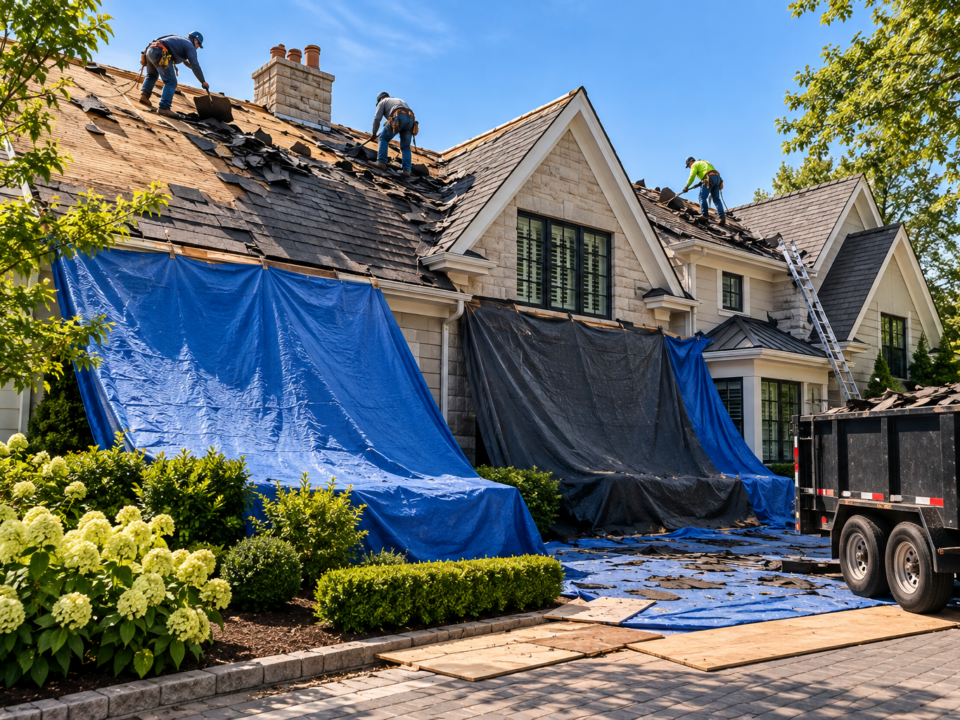
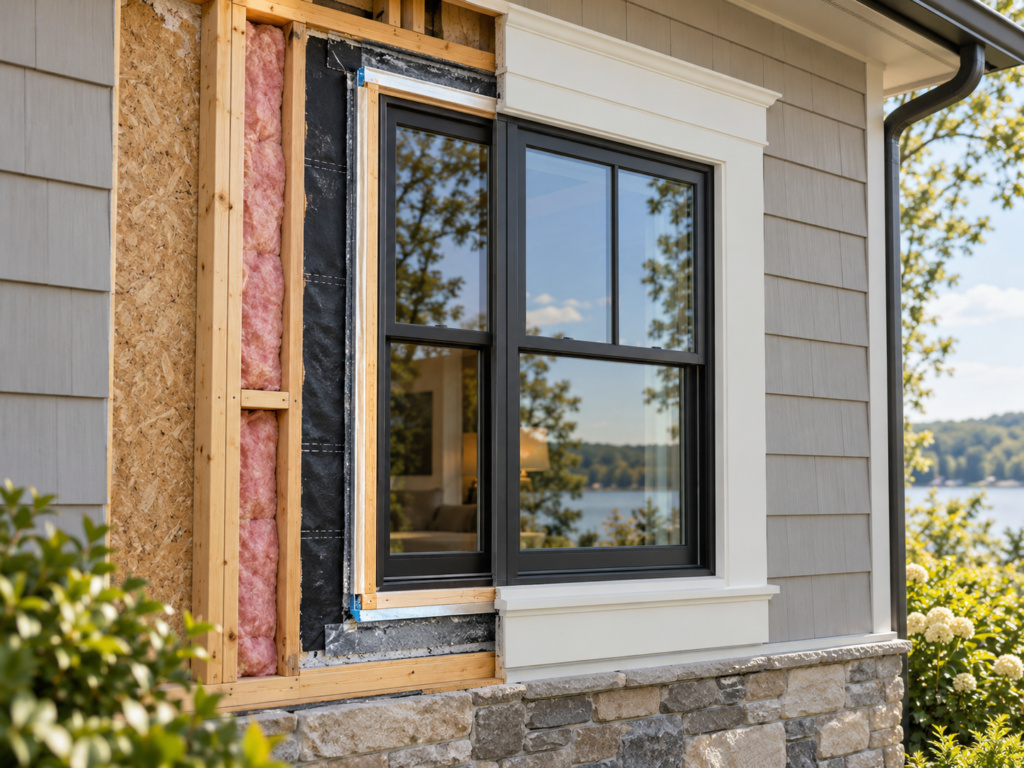
Installation details such as nail placement, flashing, underlayment, ventilation, and roof-edge work all affect how a complete roofing system performs. Even high-quality materials may not perform as expected if those details are handled incorrectly.
That is one reason contractor selection deserves as much attention as product selection.
Why Can Warranty Claims Become Confusing?
Roofing problems do not always announce whether they came from the material or the installation.
A lifted shingle, for example, might be related to the product, improper fastening, wind damage, or another condition. A leak near a chimney might involve flashing rather than the shingles themselves.
Determining the cause is usually the first step in determining which warranty, if any, applies.
Warranties also contain exclusions. Damage caused by severe weather, improper maintenance, alterations, ventilation issues, or work performed by another contractor may fall outside the coverage. Homeowners should read the actual warranty documents rather than rely only on the number of years printed in a brochure.
Ask About Both Before Signing
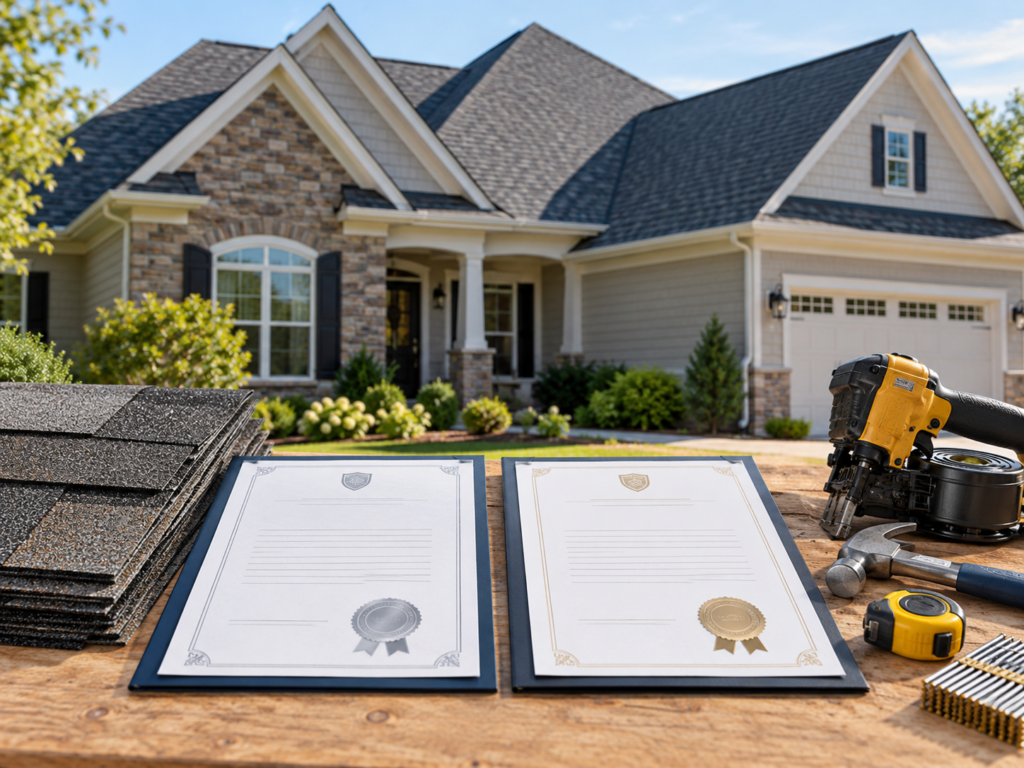
When planning a roof replacement, ask what manufacturer warranty comes with the roofing materials and what workmanship warranty the contractor provides.
Find out how long each lasts, what it covers, what it excludes, whether registration is required, and whom you should contact if a problem develops.
A strong roofing proposal should leave you understanding both sides of the protection: the materials installed on your home and the workmanship used to install them.
The Len Roofing & Remodeling Difference
When we say that we’re a top-quality home remodeling and roofing company that serves the North Shore and surrounding Chicagoland area, we back it up. We do more than simply cover the basics: we show up on time and nail it.
For more information or to schedule a consultation, call 847-768-6000 or visit our contact page.